From a Classroom Project to a Community I Didn't Want to Leave
Sometimes the best design projects aren't found in a conference room they're found sitting next to someone who's just trying to send an email.
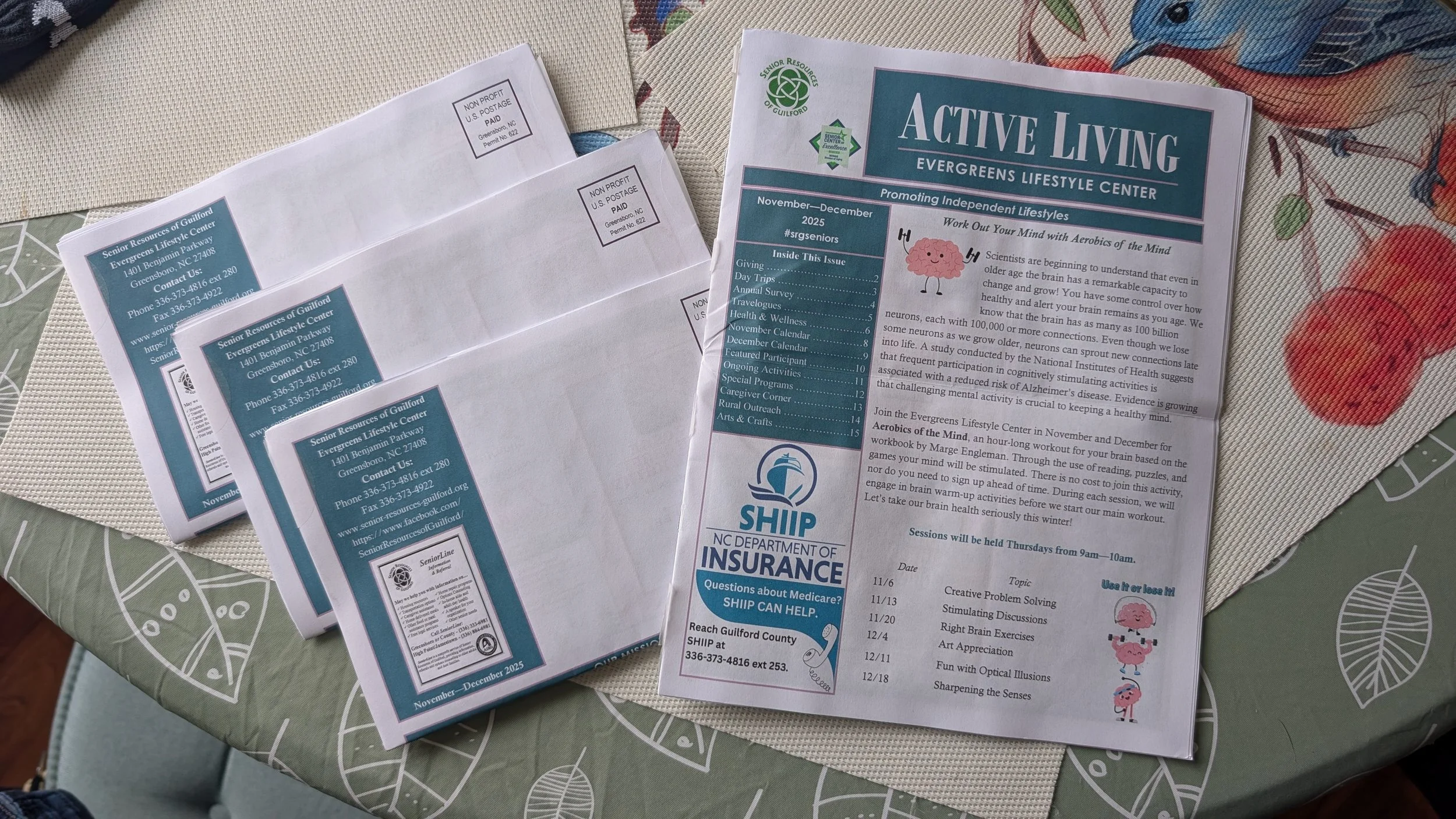
Last semester, I took a Social Entrepreneurship course at UNCG. Our assignment was simple: partner with a local nonprofit, understand their challenges, and propose a solution that could create meaningful social impact. My team partnered with Senior Resources of Guilford, specifically the Evergreens Lifestyle Center. After interviewing the staff, observing their programs, and speaking with seniors, one challenge became impossible to ignore.
Technology. Not because older adults didn't want to use it but because they wanted to and simply didn't have someone they trusted to ask for help.
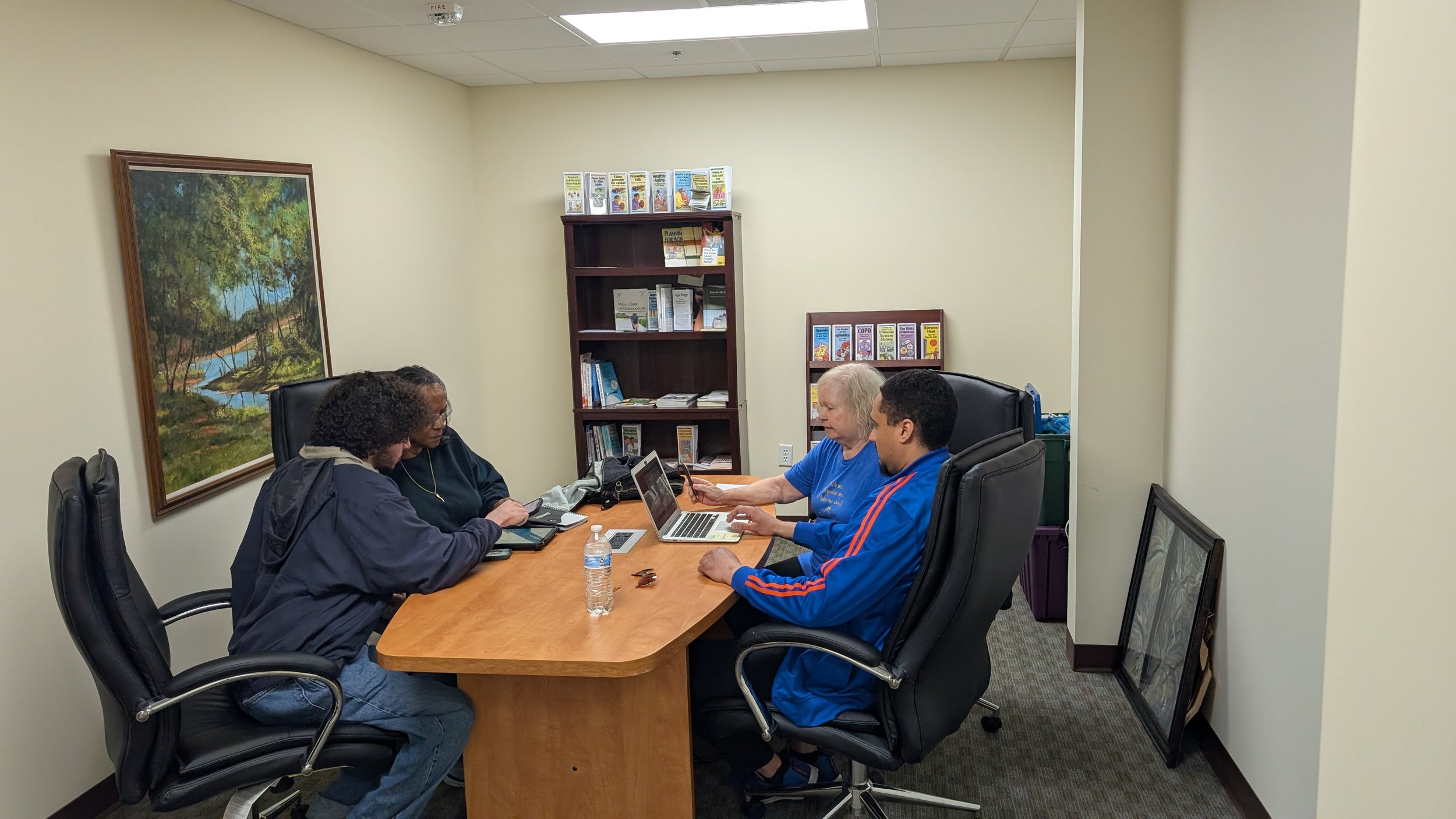
We proposed a simple idea: weekly one-on-one technology support where UNCG students could volunteer to help seniors with everyday digital tasks. We imagined it as a pilot program, hoping it might become something useful for the center. I honestly never expected our proposal to become real.
But it did. As the semester ended, most of my teammates returned home. Several had been international students studying at UNCG, and after graduation or the semester ended, they left Greensboro. I decided to keep going.
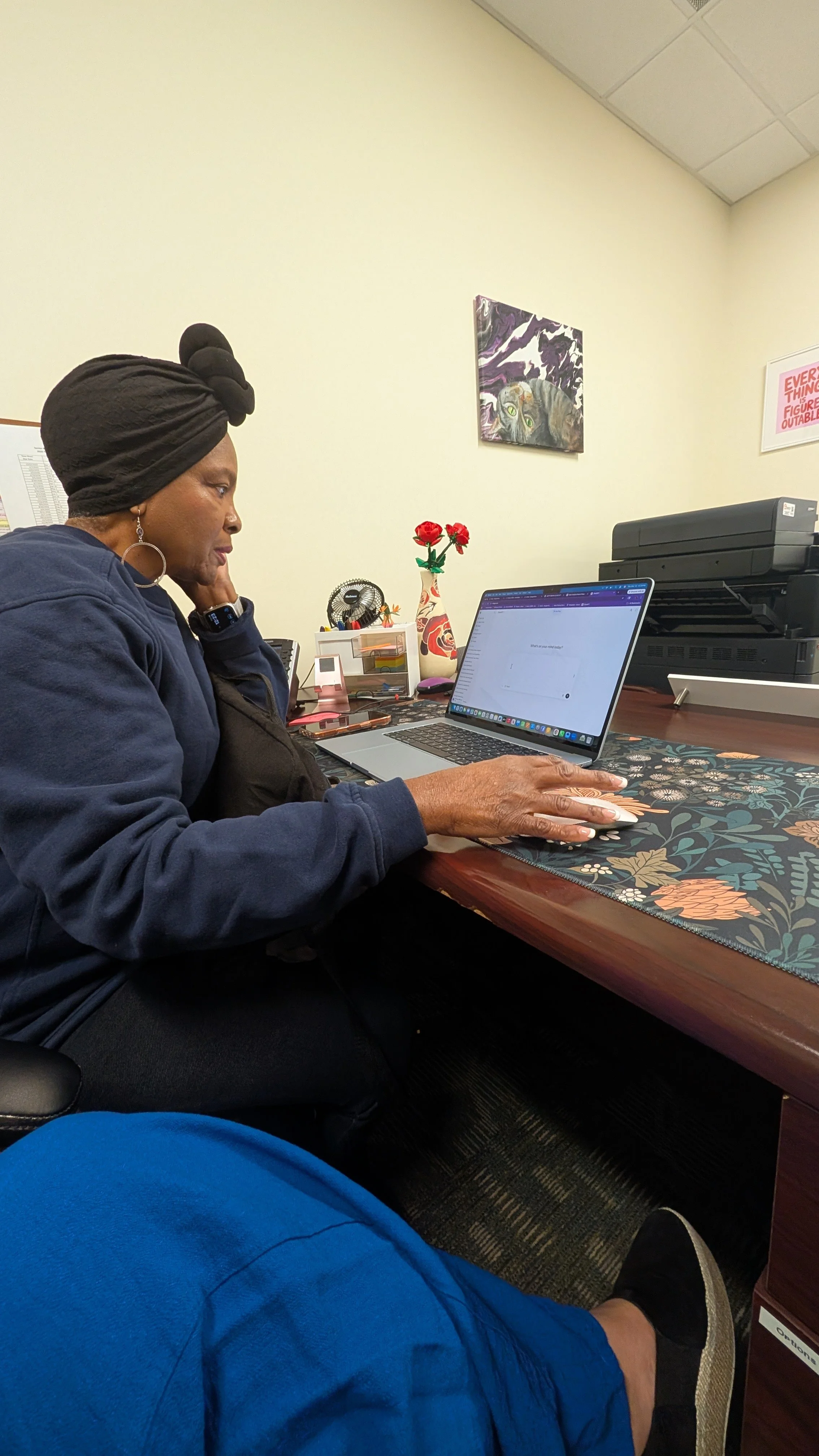
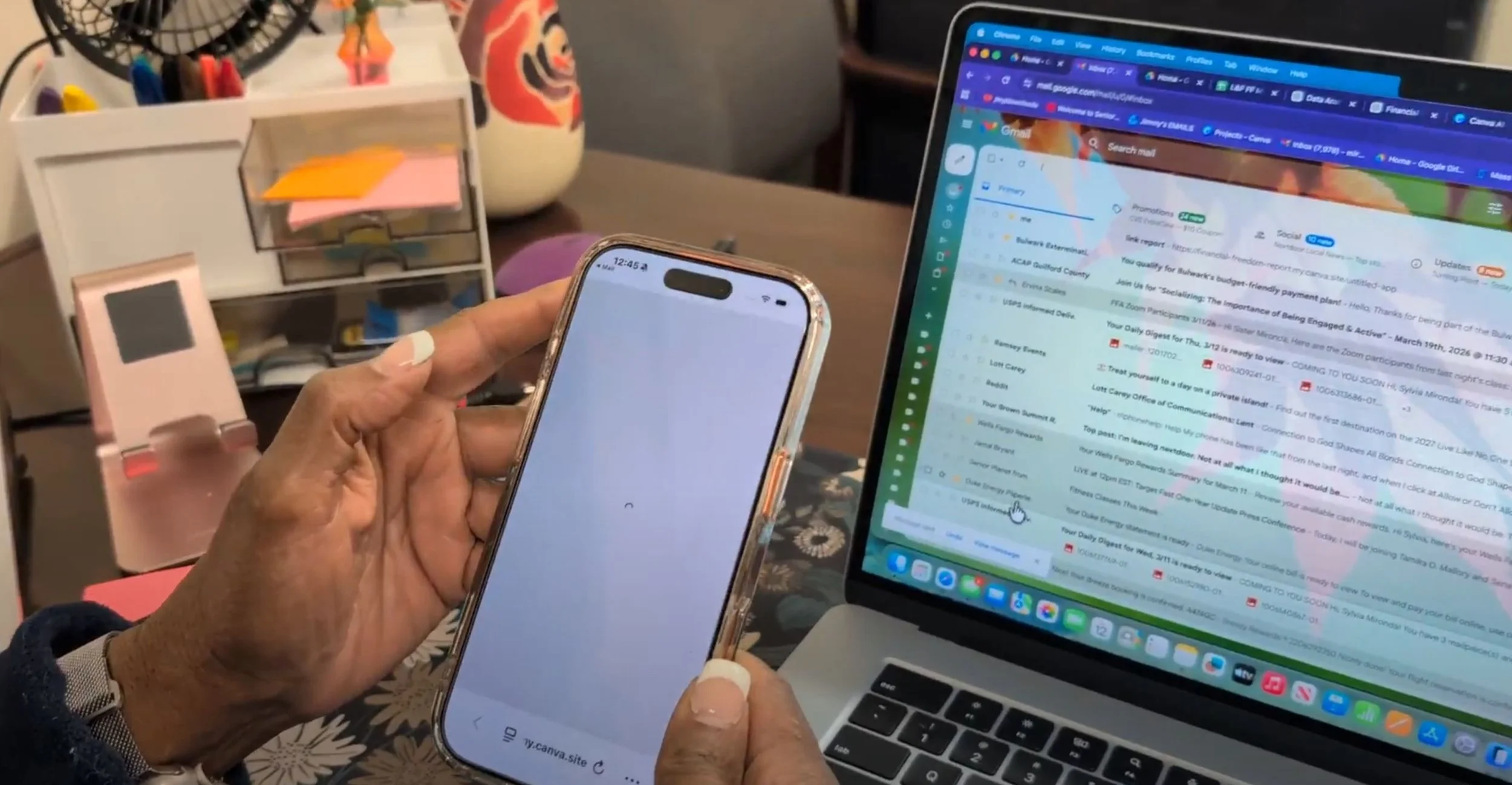
Eventually, I became the only volunteer consistently returning every Thursday for a couple of hours. I thought I was volunteering to teach technology. Instead, I found myself building relationships. The ladies would wait for me to arrive. Some would already have a list of questions ready. "Can you help me with my email?" "How do I block this scammer?" "Why won't my iPad connect?" "Can you show me Canva AI? I need to make a presentation." "How do I move photos from my phone to my computer?" "Can you help me connect to the Wi-Fi?"
No two Thursdays were ever the same. Some questions took five minutes. Others became detective work where we figured things out together. Every session reminded me that technology isn't difficult because people aren't capable it's difficult because nobody has taken the time to explain it in a way that makes sense to them.
As a UX designer, I spend much of my career thinking about usability, accessibility, user research, and reducing friction. Every Thursday reminded me that UX doesn't stop at digital products. It's about understanding people.
Every person who sat beside me had different goals, different experiences, different confidence levels, and different fears around technology. There wasn't a script. There wasn't a flowchart. There wasn't a prototype. There was simply listening, observing, adapting, and explaining things in a way that worked for that individual. That's user experience design in its purest form. At first glance, it may have looked like I was helping people use their phones. But technology was never really the problem.
Behind every question was something much more human. Someone wanted to talk to their grandchildren. Someone wanted to access their healthcare portal. Someone wanted to avoid getting scammed. Someone wanted to organize family photos. Someone simply wanted to feel capable again. Those aren't technology problems. They're independence problems. Confidence problems. Connection problems.
One afternoon, I introduced Canva's AI presentation tools to one of the members. Within minutes, she realized she could create presentations for projects she cared about without feeling intimidated by design software. Watching her go from "I can't do this" to "Wait... I can actually make this?" reminded me why I love both design and technology. Good technology doesn't replace people it empowers them.
This experience also changed how I think about UX research. We often spend weeks planning interviews, usability tests, and surveys. Those methods are incredibly valuable, but nothing replaces sitting beside someone while they struggle, watching where they hesitate, hearing what frustrates them, and celebrating when something finally clicks.
Every Thursday became another research session. Not for a product. For people. The more I volunteered, the more I realized that I wasn't just helping seniors. They were helping me become a better designer. They reminded me to slow down.
To avoid assumptions. To explain things simply. To be patient. To remember that behind every interface is a real person trying to accomplish something meaningful.
The pilot may have started because of a classroom assignment, but I'm continuing because it has become one of the most rewarding experiences I've ever had. Seeing someone leave with more confidence than when they arrived is difficult to describe. It reminded me why I became a designer in the first place not to create beautiful interfaces, but to make people's lives a little easier.
I'll continue volunteering at Evergreens because every visit teaches me something new not only about technology, but about empathy, accessibility, communication, and designing for real human needs. Ironically, I went there to teach. Instead, I left learning something every single week.